
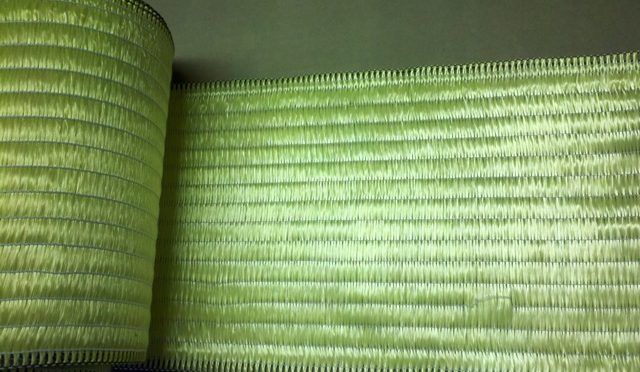
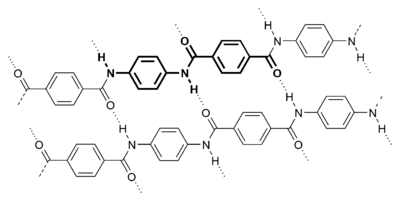
The term “Aramid” stands for äromatic polyamide”.They were first applied commercially in the early 1960’s.
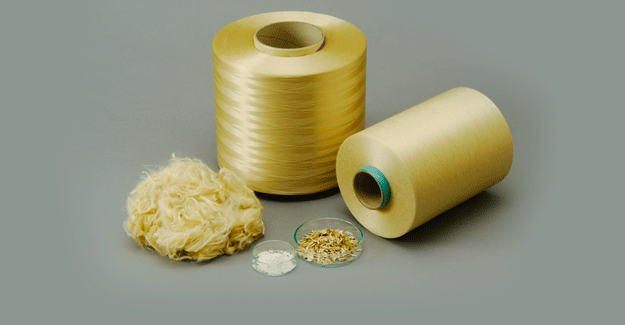
Specialty OF ARAMID FIBRE FABRICS
- The modulus of elasticity of these fibres can range from 60 to 140 GPa,
- Tthe strength reaches a value of 4.5 GPa at 2.5 cm gauge length with an elongation at break of more than 4%.
- It has a Low Density of 1.44 gm/cm3
- It has a Negative Coefficient of linear expansion: -4.3 x 10⁶ (-2.4 x 10⁶).
- It has a Low Dielectric Constant of 4 at 1 MHz offering good radar transparency.
- It has an Excellent Tensile Strength of 3620 MPa (525 ksi)
- It has a Good Stiffness of 131 GPa (19 msi)
- It has an Excellent Toughness.
- A high resistance
- High strength
- Good resistance to abrasion
- Good resistance to organic solvents
- Non-conductive
- A high melting point at 500 degree
- Low flammability
- Good fabric integrity at elevated temperatures
- High Strength to weight ratio
- It is spun into yarn to make protective fabrics and garments
- Arc flash protection
- Flashfire protection
- It is used in military, firefighting, auto racing etc.
- It also finds usage in aerospace, the automotive industry(brake linings, tires), industrial applications(hoses and belts), and building materials.
- It is used in ballistic applications.
- It is sensitive to moisture. They pick up moisture very easily, so must be kept dry and need to be fully resin impregnated when moulded.
- Aramid fibres are degraded by UV light. They must be coated with a resin layer, gel coat or paint.