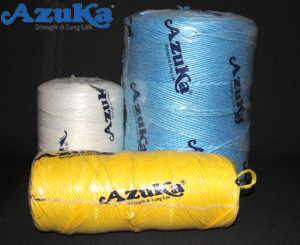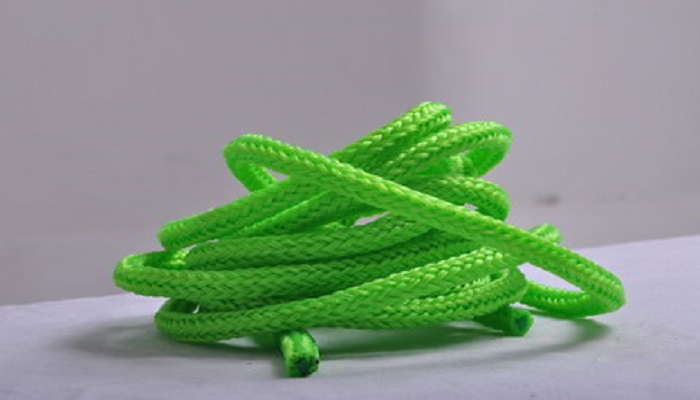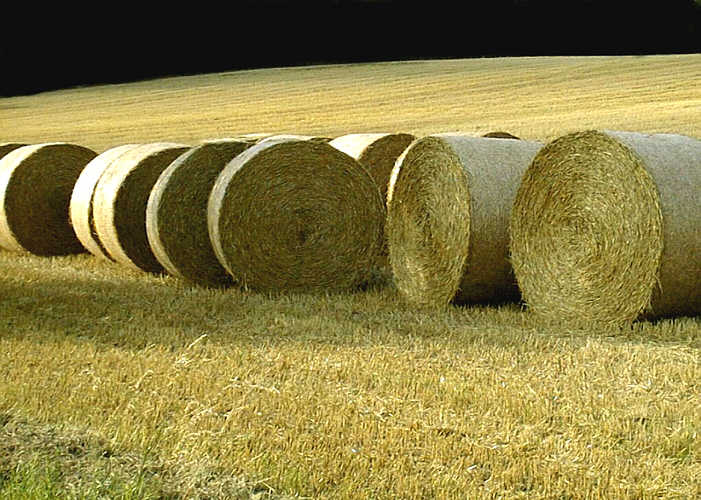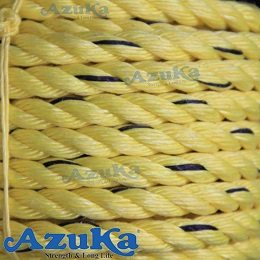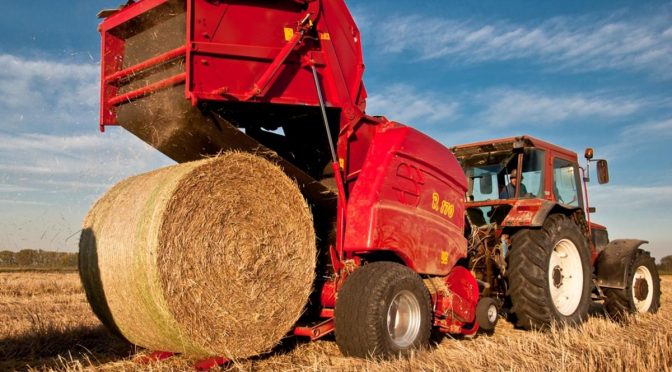
Azuka Blog SQUARE BALING TWINE August 30, 2018 azuka-admin What is Square Baling Twine? Square bales are formed from the residual paddy straw from the fields. Azuka baler twine is designed to maximize the performance of the fields. Azuka twine for square bales comes in a variety of products designed to suit your needs. It is designed to give high performance in the fields irrespective of the circumstances. Choose the strongest twine for your demanding conditions. It is an environment effective solution to the growing pollution in Punjab caused by the burning of the residual paddy straw. For more than a decade, Azuka has been an innovative company bringing about new products timely. Why Baler Twine? Baler twine is a synthetic twine having the smaller diameter. With the help of it, the voluminous material can easily be stacked and compressed thereby preventing space wastage. How does Square Baler Twine work? It’s understandable by its name only as we can reduce pollution by using Baler Twine. The machines have the rolls of baling twine fixed in them, the machines extract the straw from the ground and then binds them together. Why AZUKA? Azuka is one of the leading baler twine suppliers and manufacturers of baler twine with the latest technology. These twines are tried and tested on all machines like New Holland, Claas, Star, Shaktimaan, Kartar, John Deere, on rice paddy straw and sugar cane trash, etc. We produce the best quality PP Ropes and PP Twines. These Square Baling Twines are also made up of Polypropylene Material. Square Baler Twine is manufactured using the full virgin raw material. Azuka is one of the leading Manufacturers and Suppliers of Square Baler Twine. Reduction of Pollution with Baler Twine The biggest advantage/usage of Baler Twine these days; as we can see that farmers burn the straw left in the fields, which causes a lot of pollution. By using it they collect the straw & sell it on the market, and get some value for it. We manufacture baler twines whose breaking strength is 20% more than the required which helps the farmer in increasing its productivity as twine never breaks. The bales can either be round or square. We manufacture PP baling twine by using the high-quality virgin raw material. Using the best procedures, we ensure the twine runs smoothly on Baler machines and machine does not face any problem in making a knot while baling. To know more about square baler twine check the mentioned link below:
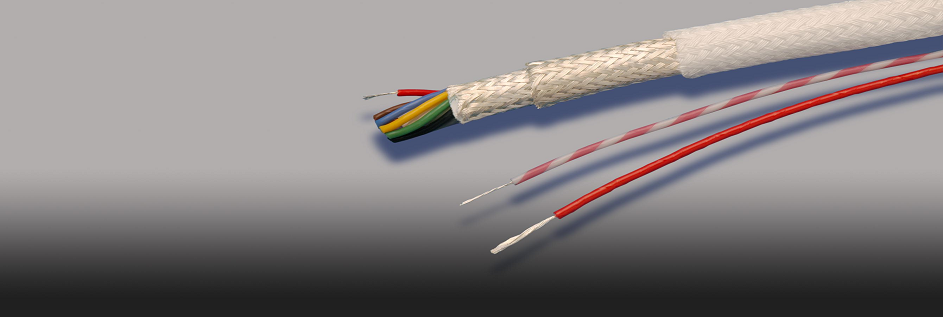
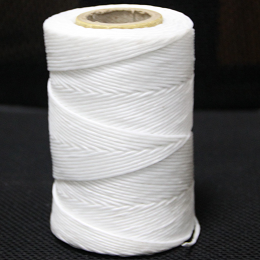
Azuka Blog Waxed Twines June 25, 2018 azuka-admin Waxed twine is a type of cable filler. In telecommunication, a waxed twine can be filled inside a cable which is water resistant. It fills the spaces between the inner parts of the cable and prevents minor leakages inside the cable. Azuka is the leading manufacturer of ropes and twines in India. Waxed twines are basically like the regular threads with a light coat of wax. Waxing makes the thread stiffer, more water and mildew resistant, and less stretchy. Its downsides are that it leaves a waxy residue on sewing machines and the wax melts when exposed to heat. FEATURES The thread has a sticky, waxy coating that makes it stiffer and more water repellant that other waxed thread. Well, waxed twine has an extra weather resistance. It is durable as it is made of two or more threads constituted together. Easy knotting i.e. APPLICATIONS Waxed twine is ideal for hand sewing and outdoor applications where you need to be able to make nets, knots, and lashes without chafing. Well-waxed twine gives the material extra weather-resistance, so it’s essential for use in all-weather applications like sailmaking and canvas work. If you want a closer stitch that’s less likely to chafe away, we recommend choosing flat, waxed twine versus round, waxed twine. It is used for taxidermy, leatherwork, shoe repair, and yes, preparing the deceased. It is used in sail making, canvas work, and other crafting applications. It is used in marine industry as well where it is used to whip the end of the lines. We have waxed twine in both round and flat construction as well as a wax cup for applying wax to traditional twine. Stay connected for more…
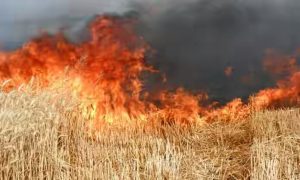
Azuka Blog Reduction of Pollution with Baler Twine June 11, 2018 azuka-admin Reduction of Pollution with Baler Twine What is Baler Twine? Baler twine is a synthetic twine having the smaller diameter. With the help of it, the voluminous material can easily be stacked and compressed thereby preventing space wastage. Azuka is the leading supplier and manufacturer of baler twine in India with the latest technology. These twines are Tried and Tested on all machines like New Holland, Claas, Star, Shaktimaan, Kartar, John Deere, on rice paddy straw and sugar cane trash, etc. Agriculture Leftover: Biggest Cause Of Pollution Every year, tonnes of agriculture leftover is burnt openly in the field resulting to release of 10,000 tons of CO2. This not only causes heavy smoke and air pollution all around the region but also waste a valuable resource. It also is the reason behind many nasal diseases and lung infections. Reduce Pollution with Baler Twine With the use of Automatic Baler machines, the agriculture by-products or leftovers, like hay, paddy straw, etc., can be collected efficiently and economically to make better use out of it, like as a fuel at Biomass Power Plants or Fodder for Cattle, Bedding for Animals, Cardboards or Paper manufacturing, etc..Baler twine is used in agriculture machines . Baler Twine can be round as well as square. It plays a vital role in the Automatic Baler machines, whether small or big Square Balers. The quality of Twine is one of the important factors that determine the Baler Machine performance. baler twines Failing in performance directly leads to open burning of Agriculture waste because there is only a limited time period between harvesting and next sowing. UV stabilization is also one of the important factors in it. A good performing Baler Twine will 1. give extra income to the farmer 2. make a valuable resource available for other applications 3. greatly reduce the CO2 and smoke emissions, preventing harmful air pollution.
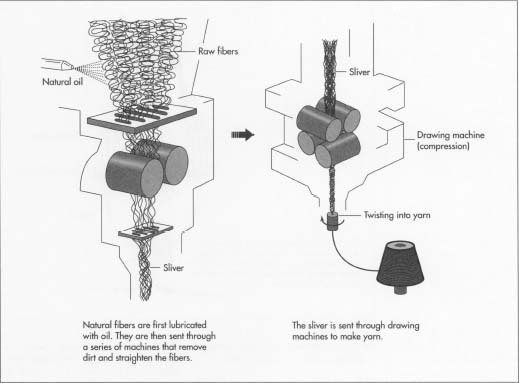
Azuka Blog TimesRopes June 5, 2018 azuka-admin A rope is a bundle of flexible fibers twisted or braided together to increase its overall length and tensile strength. The use of ropes for hunting, carrying, lifting, and climbing dates back to prehistoric times. Ropes were originally made by hand using natural fibers. Modern ropes are made by machines and utilize many newer synthetic materials to give them improved strength, lighter weight, and better resistance to rotting. More than half of the rope manufactured today is used in the fishing and maritime industries. History of Ropes: Although the origin of rope is unknown, the Egyptians were the first people to develop special tools to make rope. Egyptian rope dates back to 4000 to 3500 B.C. and was generally made of water reed fibers. Other Egyptian rope was made from the fibers of date palms, flax, grass, papyrus, leather, or camel hair. The use of such ropes pulled by thousands of slaves allowed the Egyptians to move the heavy stones required to build the pyramids. By about 2800 B.C., rope made of hemp fibers was in use in China. Rope and the craft of rope making spread throughout Asia, India, and Europe over the next several thousand years. By the fourth century, rope making in India had become so specialized that some makers produced rope intended only for use with elephants. Leonardo da Vinci (1452-1519) drew sketches of a concept for a ropemaking machine, and by the late 1700s several working machines had been built and patented. Rope continued to be made from natural fibers until the 1950s when synthetic materials such as nylon became popular. Despite the changes in materials and technology, rope making today remains little changed since the time of the ancient Egyptians. Raw Materials: Ropes may be made either from natural fibers, which have been processed to allow them to be easily formed into yarn or from synthetic materials, which have been spun into fibers or extruded into long filaments. Synthetic fibers include nylon, polyester, polypropylene, and aramid. Polypropylene costs the least, floats on water, and does not stretch appreciably. For these reasons, it makes a good water ski tow rope. Nylon is moderately expensive, fairly strong, and has quite a bit of stretch. It makes a good mooring and docking line for boats because of its ability to give slightly, yet hold. Some ropes use two different synthetic materials to achieve a combination of high strength and low cost or high strength and smooth surface finish. Next Blog: “The Manufacturing Process” coming soon…
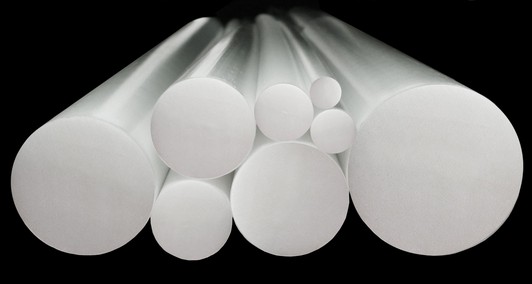
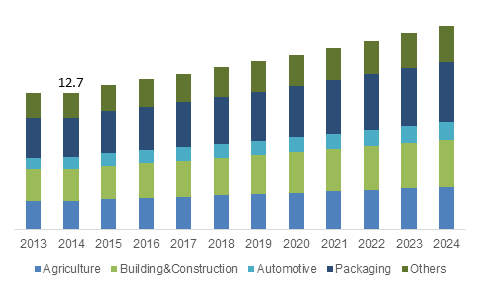
Azuka Blog HDPE May 26, 2018 azuka-admin High-Density Polyethylene also called as HDPE plastic has been courting most of the buyers favor recently. Not only is it one of the most versatile of plastics—used in everything from hard hats to house wraps—it’s also widely recycled, in both its rigid form (e.g., containers) and flexible form (e.g., bags). Produced in fits and starts in the 1930s in the United Kingdom, HDPE production really took off in the 1950s in the U.S. and has skyrocketed in popularity, making it today’s most widely used type of plastic. It’s made by stringing together ethylene molecules (thus “poly” “ethylene”), which are derived predominately from natural gas resources in the U.S. HDPE Market So HDPE is not only versatile, it’s popular. It’s kinda like the Meryl Streep of plastics. It is a very needy product for the Textile Sector these days. Why so popular? Here’s why: It’s lightweight yet super-strong. That’s why an HDPE milk jug that weighs 2 ounces can carry a gallon of milk. And why many carmakers use HDPE fuel tanks—lighter weight car parts can help increase fuel efficiency. It’s impact resistant. Drop the toy truck down the stairs and it bounces. It’s long lasting and weather resistant, so that plastic lumber deck in the backyard can entertain generations of families. It resists mold, mildew, rotting, and insects, so it’s great for underground pipes used to deliver water. And it’s easily molded into nearly any shape, providing one of the primary benefits of most plastics: malleability. Conclusion: HDPE is a thermoplastic material, having unique properties such as excellent mechanical properties, ozone resistance, good electrical properties and chemical resistance. Therefore, we can say that HDPE is going to be in Vast Demand in future. And, Azuka is always available with its HDPE products and materials; MTC Certified, ISI Marked, as well as at affordable prices.
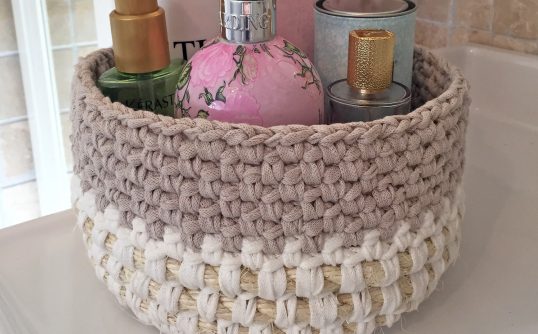
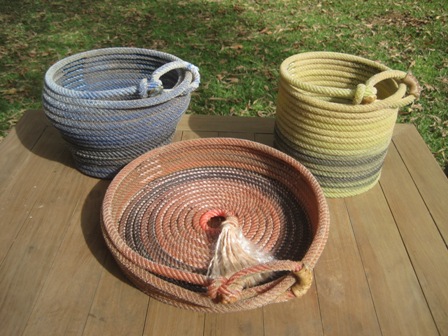
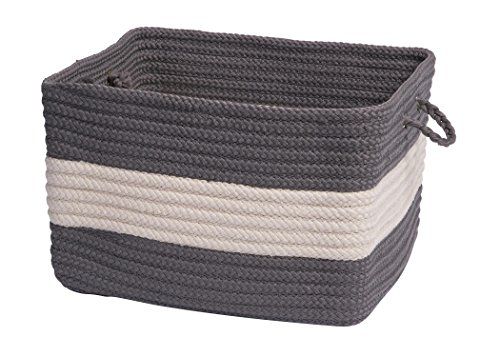
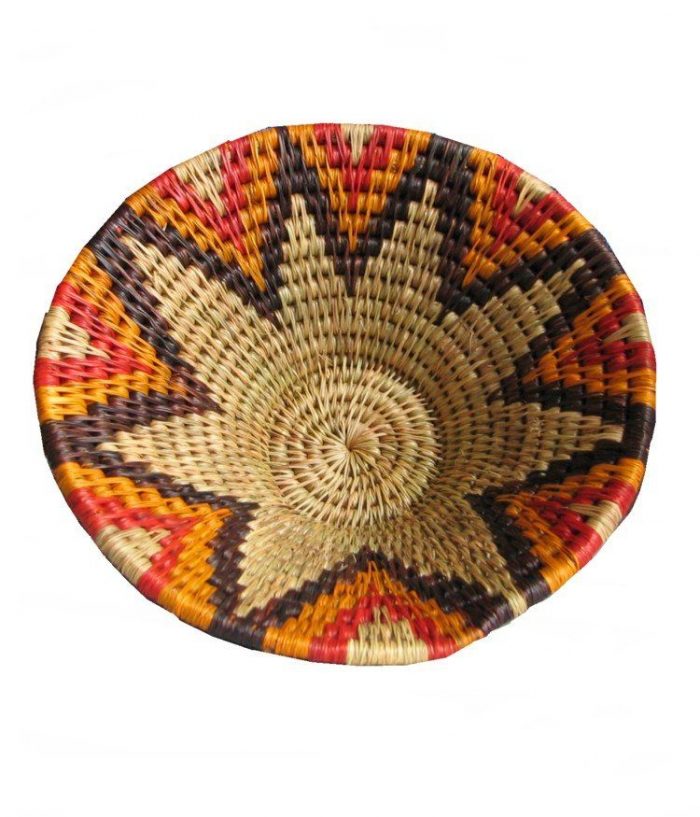
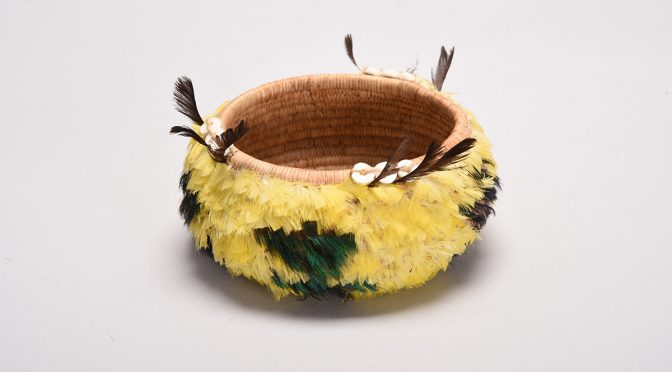
Azuka Blog Basketry: Innovation and Decor May 22, 2018 azuka-admin Basketry is an Art that Lives Across Generations. We can see many ideas for using Ropes, apart from technical uses. Maximum usage of these baskets are shown as below: You can store your accessories in small-sized baskets made of ropes. Many other baskets are available these days which can be used for various purposes. These baskets are also used for storing clothes. Women use these baskets a lot these days as it’s a helping hand for them. For Dining tables, we usually go for table mats, but these days ropes are over the line, as these small baskets can be used for storing Fruits, veggies, etc. We can use ropes to decorate flower pots. In Conclusion, we can see that ropes are used in many innovative fields, not only in technical fields. We can use ropes in our daily lives. Most people are using ropes in Interior as well as in exterior decoration.
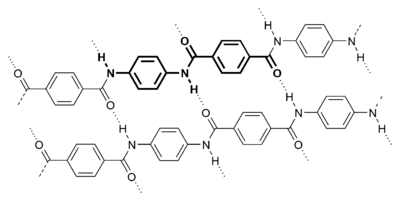
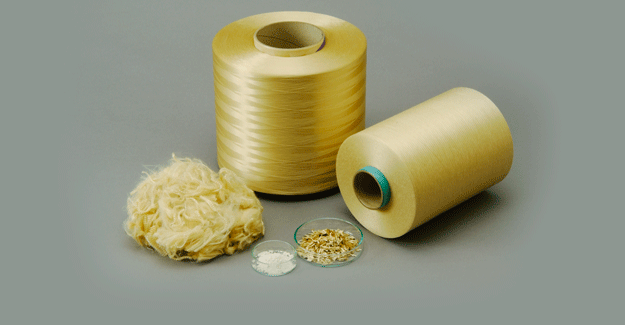
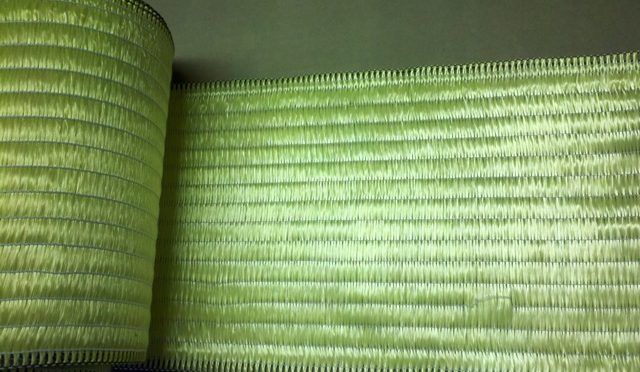
Azuka Blog Aramid Fibre May 9, 2018 azuka-admin INTRODUCTION Aramid fibres are man-made high-performance fibres. They are man-made fibres with a chemical structure that makes them highly resistant to chemicals. They have molecules that are characterized by relatively rigid polymer chains. These molecules are linked by strong hydrogen bonds that transfer mechanical stress very efficiently, making it possible to use chains of relatively low molecular weight. The term “Aramid” stands for äromatic polyamide”.They were first applied commercially in the early 1960’s. Specialty OF ARAMID FIBRE FABRICS The modulus of elasticity of these fibres can range from 60 to 140 GPa, Tthe strength reaches a value of 4.5 GPa at 2.5 cm gauge length with an elongation at break of more than 4%. It has a Low Density of 1.44 gm/cm3 It has a Negative Coefficient of linear expansion: -4.3 x 10⁶ (-2.4 x 10⁶). It has a Low Dielectric Constant of 4 at 1 MHz offering good radar transparency. It has an Excellent Tensile Strength of 3620 MPa (525 ksi) It has a Good Stiffness of 131 GPa (19 msi) It has an Excellent Toughness. A high resistance CHARACTERISTICS High strength Good resistance to abrasion Good resistance to organic solvents Non-conductive A high melting point at 500 degree Low flammability Good fabric integrity at elevated temperatures High Strength to weight ratio APPLICATIONS It is spun into yarn to make protective fabrics and garments Arc flash protection Flashfire protection It is used in military, firefighting, auto racing etc. It also finds usage in aerospace, the automotive industry(brake linings, tires), industrial applications(hoses and belts), and building materials. It is used in ballistic applications. DISADVANTAGES It is sensitive to moisture. They pick up moisture very easily, so must be kept dry and need to be fully resin impregnated when moulded. Aramid fibres are degraded by UV light. They must be coated with a resin layer, gel coat or paint.
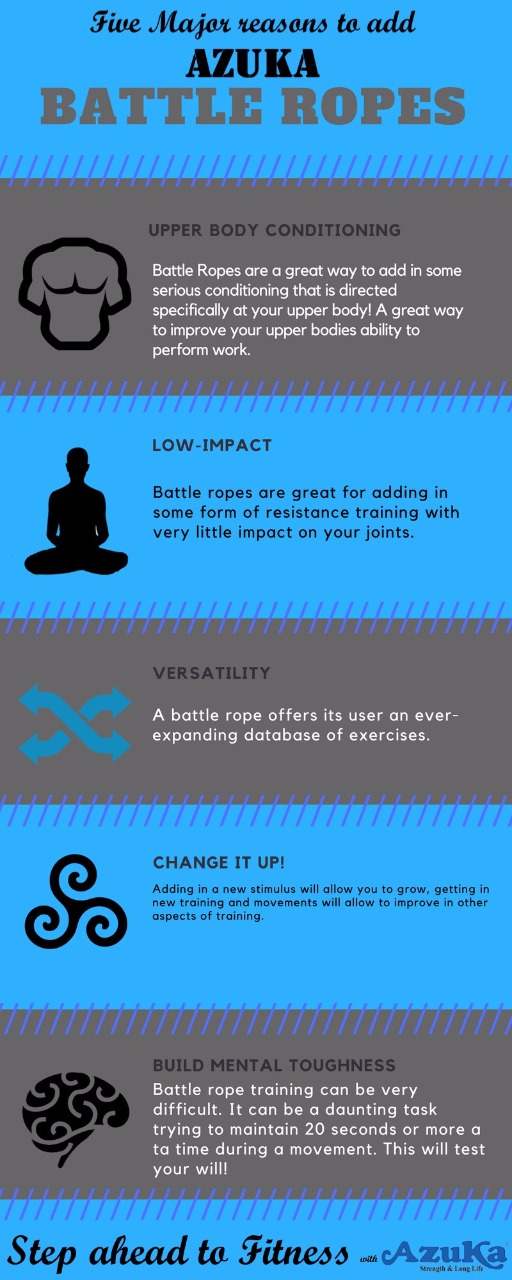
Azuka Blog Ropes for Outdoors April 30, 2018 azuka-admin ROPES FOR OUTDOORS These days ropes have been used tremendously for the outdoors. A rope is an inevitable part of our daily lives. The ropes for outdoors have numerous uses.Over the years ropes have evolved.Ropes can be made from natural as well as synthetic materials. Natural ropes comprise of manila rope, baling twine, and sisal rope.Synthetic ropes comprise of polypropylene rope, polyester rope, and nylon rope. Twisted Rope Twisted rope, has a spiral look. The three strands are twisted together to give it a spiral look.It is a cheap rope. It is water resistant and sinking resistant.One of its disadvantages is that it does rot quickly. Braided Ropes A braided rope is considered to be stronger than that of a twisted rope made from the same material. Braided rope is usually preferred over a twisted rope in many applications for a few reasons: they will not unravel as easily as a twisted rope, they will not hockle and they will not twist under load. One of the only downsides of braided rope is that it is not spliced as easily as a twisted rope. Cable pulling braided rope is most commonly used during the installation of networking fibre or cable. Installers tend to use cable pulling rope to run wire and cable in a safe manner without harming the installer or damaging the cable.It is used in the telecom industry.It is strong and more balanced.It can not touch the HDPE cable at all.It does not twist.Azuka is the leading supplier and manufacturer of best-braided rope in India.We offer the best quality ropes with high longevity and strength. Climbing ropes It basically comprises of nylon and polyester rope. Nylon core is usually more flexible and less stretchy, it absorbs more energy.The rappelling rope is used to descend from a steep slope by the climbers.The rappel is a basically a name kept after the French name which means a vertical drop off from a rock using a rope.The Climbers use the rappelling rope when the slope is too steep to descend without any protection. Azuka is the leading manufacturer of climbing ropes in India.It has a high tensile strength and better know retention. Baling Twine Baler twine is a synthetic twine having the smaller diameter.With the help of it, the voluminous material can easily be stacked and compressed thereby preventing space wastage. Azuka is the leading baler twine supplier and manufacturer of baler twine with the latest technology. Battle Rope Battle your way to fitness with Battle Ropes.Battling ropes are the latest trend these days in fitness.These are used to tone your arms independently and effectively.They offer full body strength training as well as the cardio.Azuka is the leading manufacturer and supplier of battle ropes in India. They are also known as the fitness ropes, gym ropes, and power ropes etc.Azuka manufacturers battle ropes. Azuka is the leading manufacturer of ropes nets and twine in India.We offer the best quality ropes.At Azuka quality is never compromised at any cost.

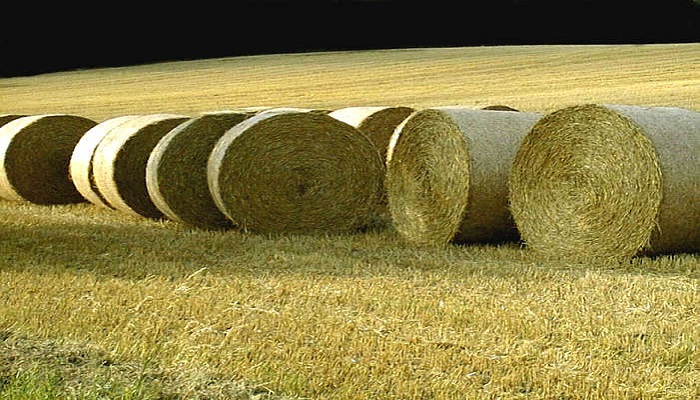

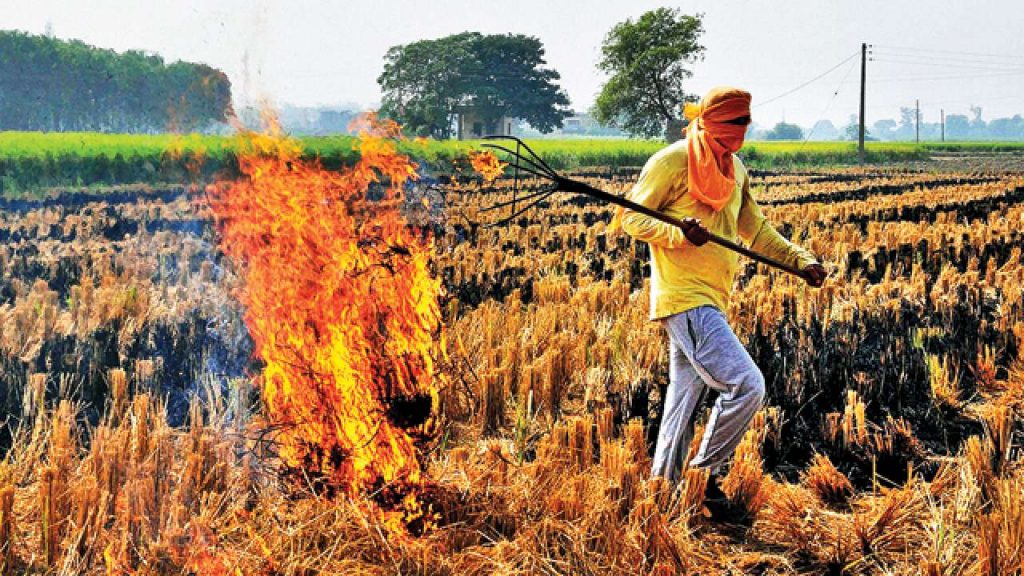
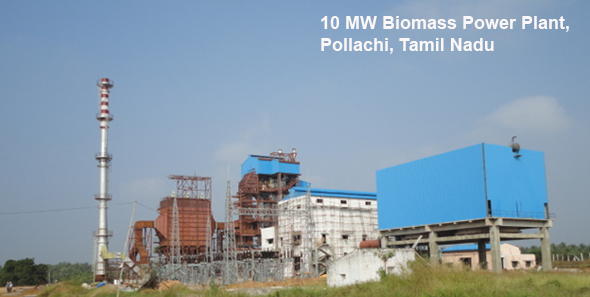
Azuka Blog CONVERT AGRI WASTE TO AGRI USE WITH BALER TWINE April 23, 2018 azuka-admin CONVERT AGRI WASTE TO AGRI USE WITH BALER TWINE Agriculture Waste & its impact on Environment A biomass power plant is similar to a thermal power plant but instead of coal, it uses green fuel. It uses the natural fuel in it which comprises of agriculture waste. Agriculture waste such as paddy and wheat straw, cotton stalks and leaves which are left over after the harvesting of the crop. This agri waste is normally burnt in the open. As its volume is so much it is not possible for farmers to deal with it without incurring a considerable cost to ready their fields for the sowing of the next crop. This is particularly true in case of paddy straw in Punjab which generates about 20 million tonnes of straw yearly, eventually burnt in the open fields. It results in alarming pollution levels in October and November. It causes many respiratory diseases. Agri Waste to Agri Use with Baler Twine One way to deal with the problem is the setting up of biomass plants which uses paddy straw as fuel. One such plant produces 15MW of power per hour using biomass. It can also have a positive impact on the rural economy environment and employment opportunities n the area. Indirect employment can be generated by fuel collection which entails collection of all types of fuels ranging from leaves to stalks.His job is mostly done by entrepreneurs farmers who already own tractors for their farm operations. Each baler requires about 20 people for a smooth operation. The bales are then stacked in the fuel yards and transferred to the plant on a daily basis. These bales are then fed into the boiler through contracted labour. To know more about baler twine,https://www.azukaropes.com/baler-twines-its-uses/. Another important factor is regarding the fertility of the soil which gets adversely affected when the fields are set on fire. However, if the straw is collected with balers, the soil does not lose its fertility and microbes and soil bacteria don’t get ruined. Azuka is one of the leading suppliers and manufacturers of baler twine in India. We manufacture baler twines whose breaking strength is 20% more than the required which helps the farmer in increasing its productivity as twine never breaks. It is alternatively known as the pp (polypropylene)rope used in harvesting in agriculture.